
Experienced Attorneys Protecting the Rights of the Neglected and Abused
The Nursing Home Law Center is committed to providing the legal resources necessary to hold negligent facilities accountable.

A nursing home wrongful death lawyer helps families uncover whether their loved one passed away due to neglect, abuse, understaffing, delayed treatment, or another preventable failure within a long-term care facility.
Under 42 C.F.R. § 483.12, nursing homes have to protect residents from abuse and neglect and to respond to allegations to prevent further harm. If your loved one died after suspected abuse or neglect, our experienced attorneys can help your family seek justice and hold the nursing home accountable.
A nursing home wrongful death case is not based on the simple fact that someone died in long-term care, but whether the facility breached its duty of care and caused a fatal decline that could have been prevented. Wrongful death cases usually involve either negligent or intentional misconduct.
Deaths in long-term care are common. Many residents enter nursing homes at advanced age or with fragile health. Some deaths happen from the natural progression of a medical condition, even when the staff provides appropriate care. A national study found that in 2001, roughly one-third of decedents age seventy-five and older died in a nursing home.
A fall can kill an older adult even when the initial injury looks survivable. Hip fractures, head trauma, internal bleeding, and post-fall complications often turn into a fatal decline. Many wrongful death cases tied to falls involve residents who needed alarms, closer supervision, transfer assistance, toileting help, or a safer room setup.
When a facility ignores a fall risk assessment or leaves a resident unattended during transfers, a wrongful death nursing home lawsuit may follow.
What starts as a preventable bedsore can lead to deep infection and trigger sepsis. Pressure ulcers are one of the clearest warning signs of nursing home negligence, as they usually do not appear without a breakdown in basic care. Repositioning, nutrition support, wound treatment, and physician follow-up often leave a paper trail.
When those records show delay, a nursing home wrongful death lawsuit may focus on how a preventable wound became a fatal injury.
Nursing home residents who need hands-on help for eating and drinking face a serious risk when that help does not come. Dehydration can cause kidney injury, confusion, infection risk, and cardiovascular strain. Significant nutritional decline can weaken the body to the point that recovery becomes impossible.
In a nursing home wrongful case, families often discover a resident lost significant weight, had poor intake documented for days, or showed lab markers of dehydration long before anyone escalated care.
Some residents need pureed food, thickened liquids, upright positioning, feeding assistance, or close monitoring during meals. When those precautions are skipped, aspiration pneumonia or choking can follow.
A nursing home abuse lawyer will often examine diet orders, speech therapy evaluations, and supervision records to see whether the proper care plan was followed.
Medication errors can be lethal in long-term care. Missed anticoagulants, double doses of insulin, oversedation, or a dangerous combination that causes respiratory depression, stroke, bleeding, or cardiac arrest. Medication administration records often tell the story more clearly than witness recollections do.
if the facility does not supervise them properly, Residents with dementia or cognitive impairment may wander into hallways, stairwells, parking areas, or outside the building. Elopement cases can end in exposure, traffic injury, or fatal falls.
Unsafe premises create risk as well. Broken handrails, slick floors, poor lighting, and delayed responses to call lights all appear in nursing home wrongful death lawsuits tied to preventable harm.
Some nursing home wrongful death cases involve violence and physical abuse. A resident may suffer fatal injuries after being shoved, struck, restrained the wrong way, or assaulted by nursing home employees or other residents. These cases often raise larger questions about hiring, supervision, complaint history, and whether the facility ignored known dangers.
A nursing home resident may show clear signs of infection, stroke, respiratory distress, or internal injury long before anyone sends them to the hospital. Delay can exacerbate existing health conditions and turn a treatable condition into a fatal one. In many wrongful death lawsuits, the issue is not that the resident was already sick. It is that the nursing home failed to respond when urgent symptoms appeared, and proper medical care could still have changed the outcome.
Common signs of nursing home abuse and neglect include:
A nursing home wrongful death suit needs evidence that shows how the resident’s death could have been prevented. Such evidence includes:
When grieving family members suspect a nursing home wrongful death, the following steps can help strengthen their claim.
Ask for the complete nursing home record, not a short summary or selected pages. That request should include nursing notes, physician orders, medication administration records, care plans, wound documentation, vital signs, transfer records, hospital paperwork, and any internal incident reports tied to the resident’s decline or death. A full chart helps show what staff documented, when the condition changed, and whether anyone responded appropriately. In many wrongful death cases, the timeline in the records becomes one of the most important pieces of evidence.
Save anything that may help reconstruct what happened. That includes photographs of injuries, bruising, bedsores, poor room conditions, soiled bedding, or medical devices. Keep text messages, emails, voicemail, handwritten notes, discharge summaries, and any written communication with the nursing home or hospital. Families often hold details that the chart does not capture.
An autopsy can help clarify the true cause of death when there are questions about infection, trauma, aspiration, internal bleeding, medication issues, or neglect. It may not be necessary in every case, though it can be very important when the family believes the explanation they received does not match what they saw.
Write down the names of nurses, aides, supervisors, roommates, visitors, and anyone else who may have seen the resident in the days before death. Include the names of nursing home staff members who called the family, discussed the resident’s condition, or were present during an emergency. Witnesses can fill gaps that the records leave behind.
Families are sometimes asked to sign paperwork soon after a death. Do not assume those documents are routine. A broad release, recorded statement, or insurance form may affect your rights before you understand what happened. It is better to slow down than to give up important protections too early.
Families can report suspected nursing home abuse to the facility administration, the state survey agency, the long-term care ombudsman, local law enforcement, or Adult Protective Services, depending on the facts. The current wrongful death page also points families to APS and ombudsman resources.
Early legal review can preserve evidence, identify who may file the case, and keep the facility from shaping the narrative. An experienced personal injury lawyer will guide you through every step of the legal process.
Our nursing home abuse attorneys investigate the cause of death and gather the medical and facility records needed to link your loved one’s passing to the nursing home’s negligence. This may include nursing notes, physician orders, care plans, hospital records, medication administration records, wound documentation, incident reports, staffing schedules, and prior complaint history. These records often show whether staff followed the care plan, recognized apparent warning signs, and acted when urgent medical treatment was needed.
Our legal team works with medical experts who can explain whether the resident’s death was preventable and connect the nursing home’s misconduct to the fatal outcome. Once the evidence is in place, we pursue settlement when possible and file suit when the nursing home refuses to take responsibility.
The average payout in a nursing home wrongful death case is $4,682,819.
Recovery amount often depends on several factors, such as:
One example involved a $12,800,000 verdict in a case tied to severe, untreated bedsores that led to a nursing home resident’s death. The resident developed serious pressure injuries while under the facility’s care, and those wounds were not addressed with the urgency the condition required. The case centered on allegations that staff failed to provide basic prevention and treatment, including repositioning, wound monitoring, and timely medical intervention. As the resident’s condition worsened, the untreated wounds allegedly contributed to infection and a fatal decline.
Our legal team has recovered more than $450 million for injured clients and families, and we bring more than 100 years of combined experience to personal injury and wrongful death litigation. Our experienced elder abuse attorneys have also received recognition from Super Lawyers and Avvo.
Esther Collado, age ninety, died in May 2015 after her estate claimed negligent care at The Medical Resort at Fiesta Park set off the decline that led to her death. She had stayed at the Albuquerque skilled nursing facility in 2013 while recovering from a broken bone. After discharge, her family found serious pressure sores on both heels.
The estate alleged that staff failed to turn, reposition, and elevate Collado as required, failed to perform regular skin checks, and failed to follow her care plan. Trial testimony also pointed to charting gaps, a false chart entry about a skin assessment, and inadequate staffing tied to the management companies. The estate’s experts said those failures caused deep-tissue pressure injuries that became infected, led to sepsis, weakened Collado, and left her unable to swallow, requiring a feeding tube. They argued that this decline left her too weak to survive pneumonia later.
The defense argued that Collado’s care met the standard of care, that any charting gaps did not prove missed care, and that the pressure sores developed only after she returned home. A defense expert also blamed her age and diabetes.
The jury found Fiesta Park Healthcare seventy percent liable, WW Management twenty percent liable, and Enchanted Health Development ten percent liable. The estate recovered $11 million, including $6 million in punitive damages and $5 million in compensatory damages, including medical bills.
Myrtle Faye Reed, age eighty-nine, lived at Palacios Healthcare Center from 1991 until July 2000. After she suffered a series of serious injuries, her estate and three adult children sued the nursing home, related management entities, individual owners, and staff members. They alleged that the facility failed to protect Reed from accidents, prevent and treat pressure sores, monitor her condition, notify her physician and family about major changes, and follow its own policies and procedures. The lawsuit also claimed that chronic understaffing contributed to the neglect and that Reed’s medical records were falsified.
According to the plaintiffs, Reed developed painful, infected pressure sores, suffered fractures of her tibia and fibula, and became dehydrated and malnourished while in the facility’s care. Although the case included wrongful death allegations, the central focus of damages was Reed’s pain and suffering before her death. The defense denied wrongdoing, argued that staffing was adequate, and claimed Reed’s injuries were unavoidable because of her age and underlying medical conditions. The case settled for $4.6 million, with payment coming from insurance proceeds and a solvent third-party general partner.
A seventy-seven-year-old woman died while in a rehabilitation facility after suffering another heart attack. The plaintiff alleged staff failed to perform CPR, even though the facility’s own rules required it, and brought a claim for conscious pain and suffering. The defense admitted CPR was not administered, but argued the resident was unconscious and therefore did not suffer conscious pain. She was survived by her husband. Early in the case, thirteen thousand dollars for funeral expenses was offered, while the plaintiff demanded two hundred fifty thousand dollars. The case ultimately settled for fifteen thousand dollars.
State law controls who may file a wrongful death lawsuit after a nursing home resident dies. In many states, the claim may be brought by a spouse, children, parents, the estate representative, or another legally authorized person. Some states require the personal representative to file on behalf of beneficiaries. Others identify specific relatives who may sue directly.
It also helps to distinguish a wrongful death claim from a survival action. A wrongful death claim usually seeks damages suffered by surviving family members because of the death of their loved one, such as loss of companionship or financial support, where allowed. A survival action usually seeks damages the deceased person could have recovered if they had lived, such as pain and suffering before death. Both may arise from the same nursing home wrongful death event.
Because filing rules differ, family members should have the case reviewed by an experienced nursing home lawyer as soon as possible.
Compensation awarded in nursing home abuse cases depends on state law, but several damages appear in the legal system. Family members or the estate may seek funeral costs, burial expenses, medical expenses, and other costs tied to the resident’s illness or injury. In some states, financial compensation may also include pain and suffering suffered before death, especially through a related survival action. Families may be able to recover for loss of companionship and certain emotional losses where state law allows those claims. In especially severe cases involving reckless conduct, concealment, or extreme neglect, punitive damages may also be available.
The statute of limitations for nursing home abuse and neglect cases varies by state. Delay can seriously damage a case even before the formal deadline expires. Delaying legal action can seriously damage a case even before the formal deadline expires. A case that looked strong in the week after death can become harder to prove months later if no one acts to preserve evidence. That is why prompt legal review of nursing home wrongful death claims is essential.
Liability in a nursing home wrongful death case may extend far beyond the person who was in the room at the time of the resident’s passing. Potential liable parties may include:
If you suspect a nursing home wrongful death resulted from neglect or abuse, reporting the case can help create a record and trigger outside review. Depending on the facts, families may report the matter to Adult Protective Services, the Centers for Medicare & Medicaid Services (CMS), the state licensing board or health department, and the long-term care ombudsman.
Reporting a case does not replace a wrongful death lawsuit, but it can help preserve evidence, prompt an investigation, and place added pressure on the nursing home facility to answer for the resident’s death.
If your loved one died after suspected abuse or neglect in a nursing home, you have the right to seek justice by pursuing a wrongful death lawsuit. We offer a free consultation to help your family understand whether you may hold the nursing facility accountable.
We handle nursing home wrongful death cases on a contingency fee basis, which means we do not get paid unless we recover compensation for your family. Call us at (800) 926-7565 or fill out our contact form to speak with an experienced nursing home wrongful death lawyer.

Federal and state nursing home laws and regulations both play a role in nursing home negligence cases involving fatalities. Federal rules under 42 C.F.R. § 483 set baseline standards for resident care, safety, abuse prevention, and facility responsibilities. State wrongful death statutes, licensing rules, and negligence laws also shape how a claim is filed and what damages may be recovered.
Yes. Families can sue nursing homes and assisted living facilities if sepsis followed poor wound care, untreated infection, dehydration, delayed physician contact, or delayed transfer to a hospital. Sepsis cases often turn on timing. When the chart shows clear warning signs that staff missed or ignored, a nursing home wrongful death lawyer can evaluate whether the facility’s failures caused the fatal outcome.
No. A fatal fall does not automatically mean the nursing home was negligent. Some residents face a high fall risk even with careful supervision. The issue is whether the facility took reasonable steps to protect the resident based on their condition, mobility limits, history of falls, and care plan. A case may exist when staff ignored known risks, failed to assist with transfers, left a resident unattended, or did not use the safety measures the situation called for.
Nursing homes are not allowed to simply withhold records. Federal nursing home regulations protect access to resident information, and estates or authorized representatives can usually obtain the chart through the proper process. When a facility refuses to cooperate, a lawyer can make a formal demand and use litigation tools to secure the file. In many nursing home death cases, the records are where the truth lives.
Some do, but many resolve before trial. Nursing home abuse settlements often depend on whether the nursing home accepts responsibility and how far apart the parties are on compensation. If the case proceeds in court, jury verdicts in nursing home abuse cases can reflect the seriousness of the harm and the evidence behind it.
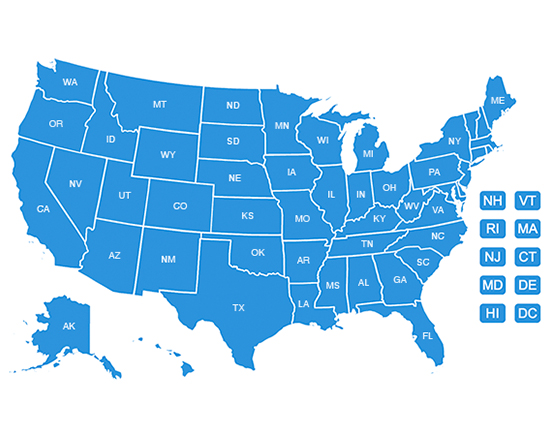
Nursing home abuse lawsuits must be pursued according to the laws set forth by the state where the facility is located. In this section, our attorneys have compiled the relevant laws, regulations and local organizations for each state so you can get an idea of how the law impacts your situation. Should you decide to move forward with a case, you will also find information about locating an experienced attorney who can assist your family.