
Experienced Attorneys Protecting the Rights of the Neglected and Abused
The Nursing Home Law Center is committed to providing the legal resources necessary to hold negligent facilities accountable.

A hospital neglect lawyer handles cases where patients are harmed by a breakdown in basic hospital care. At Nursing Home Law Center, we can help you understand how the hospital failed you and your loved one and whether they can be held accountable. Contact us for a free consultation.
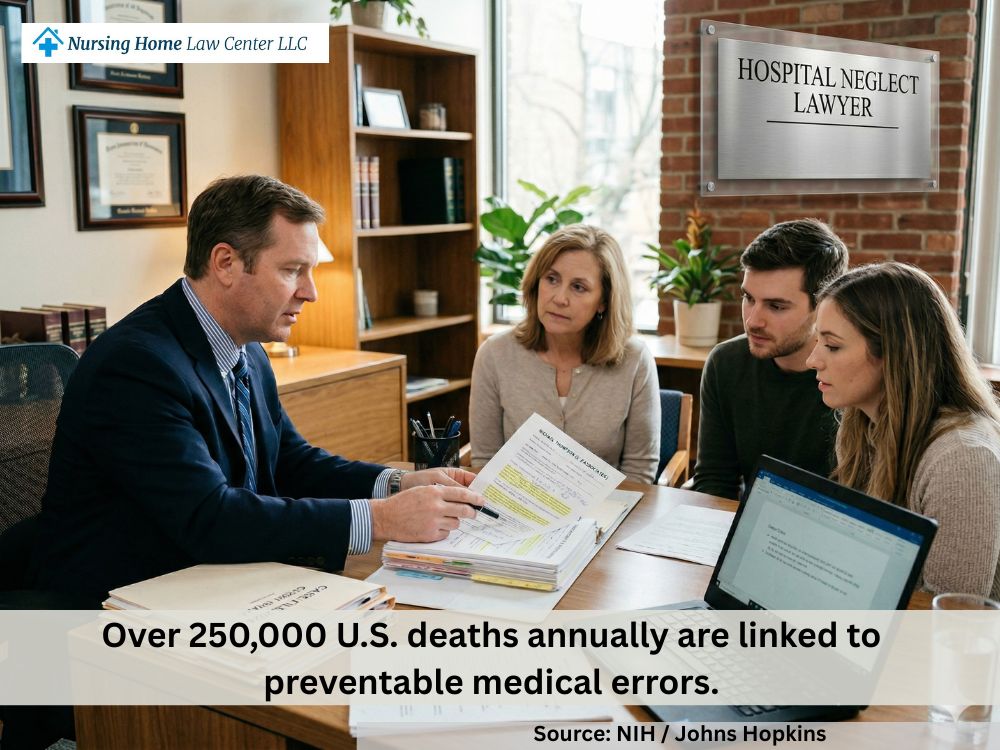
Hospital neglect is the failure to provide adequate care and attention to a patient. As a result of this neglect, the patient suffers harm, which could be physical, emotional, or psychological.
Hospital negligence has numerous causes, from staffing shortages to improper practices. If you or a family member has been the victim of neglect at a hospital, you may have grounds to file a hospital negligence claim.
According to some reports, as many as 400,000 hospital patients experience preventable harm across the United States every year. It is estimated that 23.6% of all hospital admissions come with adverse events, of which 22.7% are preventable and 32.3% considered serious. These alarming figures demonstrate the prevalence of hospital negligence and how often it creates victims of neglect.
The consequences of hospital negligence cases can be devastating. Hospital neglect can lead to patient injuries or worsen existing medical conditions. In extreme cases of medical malpractice, this negligence may even result in patient deaths.
Negligence in a hospital setting can manifest in numerous ways. Not all medical malpractice cases look the same. Some victims suffer minor setbacks due to negligence, while others are in danger of dying because of staff conduct, surgical errors, or wrong diagnosis. Here are some of the most common issues involving negligence at hospitals.
Hospital-acquired pressure injuries can be one of the clearest signs of neglect during an inpatient stay. The more serious cases involve unstageable wounds or ones that deepen over time, break the skin, reach tissue below the skin, or progress to advanced stages. At that point, the injury can open the door to infection, sepsis, shock, and death.
The most common causes of pressure injuries are when staff fail to perform routine skin assessments, fail to turn patients with limited mobility, let friction from tubes or equipment go unchecked, or miss early-stage wounds until they become much worse. Other reasons include staff shortages, weak prevention protocols, rushed or incomplete assessments, and the tendency to overlook skin breakdown when the patient was admitted for something else, such as a stroke.
A study showed an 82.8% drop in pressure ulcer occurrence after a hospital used risk identification, standardized prevention procedures, and staff education, indicating these injuries are often strong negligence markers, so much so that CMS refuses reimbursement for hospital-acquired Stage III and Stage IV pressure ulcers since October 2008.
Hospital falls are another category of hospital-acquired conditions that the CMS is refusing reimbursement for. Still, studies show that up to 1 million patient falls occur in U.S. hospitals each year.
Falls in hospitals can grow out of the patient’s condition, the environment, poor supervision, weak precautions, or a combination of all four, such as wet floors, slippery surfaces, lack of non-slip socks or mats, missing bed rails, poor lighting, uneven flooring, and cluttered corridors or stairwells. Other causes include medication-related disorientation, overmedication, lack of toileting assistance, delayed call-button response, dehydration, malnutrition, and poorly managed blood sugar.
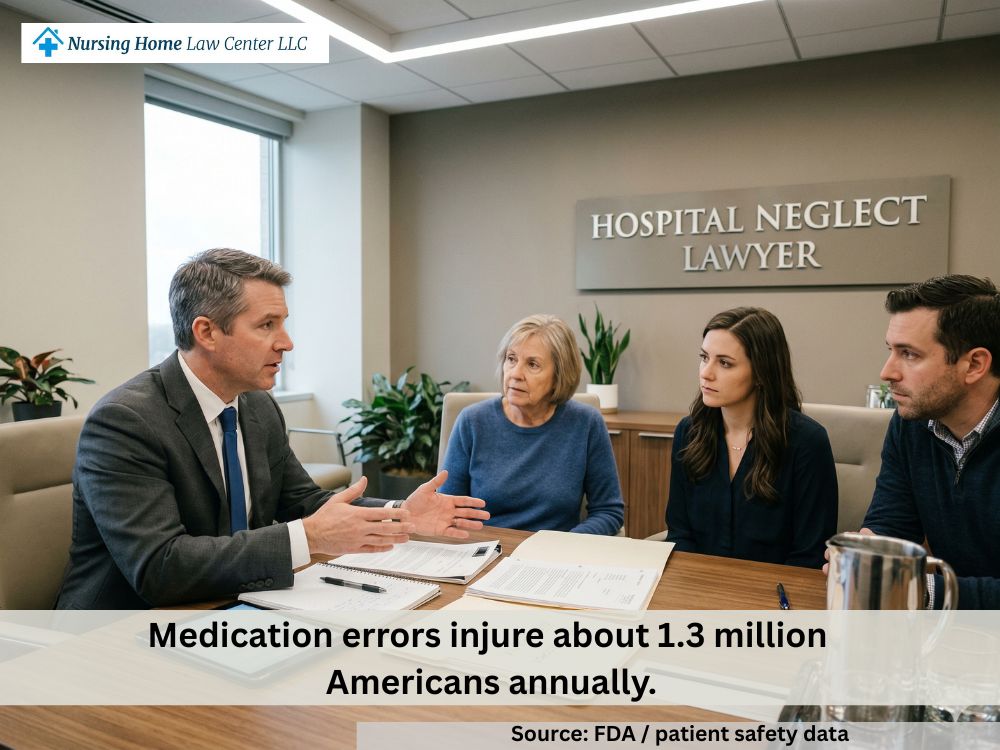
Hospitals are expected to do more than react after the fall. They should identify high-risk patients, monitor them appropriately, assist with transfers and toileting when needed, and put meaningful fall precautions in place. Some patients may need an individualized prevention plan. When the hospital knew the risk profile and still failed to supervise, respond, or adapt the care plan, the fall starts to look less like an accident and more like neglect.
Burn injuries can support a hospital neglect claim when they point to a preventable safety failure rather than an ordinary treatment risk. A burn raises immediate questions about how the patient was being monitored, what equipment was being used, and whether basic safeguards were followed.
Such cases often involve overheated equipment, improper use of warming devices, chemical exposure, electrical injury, scalding water, or failures to protect patients who cannot move, communicate, or react quickly. Some patients are especially exposed because they are sedated, medically fragile, immobilized, or dependent on staff for every aspect of care.
Medical negligence can also involve poor hygiene practices. Hospitals must be kept clean, especially with the dangers of infections. To uphold patient safety, the hospital must have a plan for infection control and prevention, such as isolating sick patients, washing hands frequently, and disinfecting surfaces. If employees do not engage in standard hygiene practices, patients and other staff are at risk of contracting infections from bacteria or viruses.
Health care–associated infections account for 11.9% of adverse events during hospital admissions. Sepsis can support a hospital neglect claim when staff missed the infection, failed to recognize how quickly the patient was declining, or did not escalate treatment in time. These cases are not a matter of whether the patient arrived sick, but whether the warning signs of worsening infection were there, and the hospital failed to act when it should have. This may involve delayed recognition, delayed antibiotics, weak monitoring, poor communication between staff, or a failure to respond to obvious changes in vital signs, mental status, urine output, breathing, or lab results.
The most common adverse events in hospitals are medication-related ones, occurring at an estimated rate of 39%. A medication error could cause a secondary health issue or worsen their current condition. In extreme cases, medication issues can cause the death of a patient. Wrong treatment, incorrect medications, and missed doses are all preventable errors resulting from hospital negligence.
Surgical errors, such as puncture injuries, avoidable internal damage, and post-procedure harm, account for 30.4% of all adverse events in hospitals. Tied to poor technique, rushed care, underqualified staff, or failures during the hospital’s surgical process, they can lead to serious consequences, including loss of function, internal bleeding, leakage of fluid, infection, added procedures, longer recovery, and, in some cases, permanent complications.
An air or gas embolism happens when air blocks a vein or artery and usually arises during invasive procedures and often ends in death.
They can happen when a wire or catheter is inserted into a vein or artery, especially where a sheath is used to guide the line. Proper line-removal technique is critical because air can also be introduced when lines are taken out carelessly. There are also cases where ventilators push air into the bloodstream through severely damaged lungs.
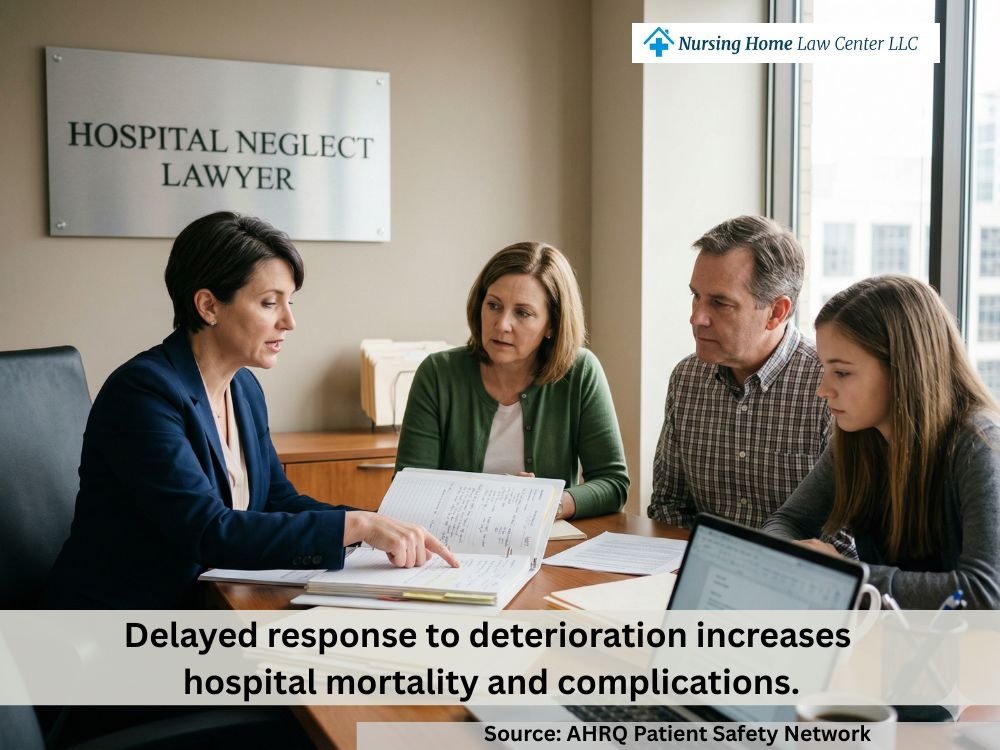
Regardless of the scenario, hospital air embolism injuries are high-severity events that call for close scrutiny and immediate investigation.
Iatrogenic pneumothorax is a hospital-caused lung-collapse event. It happens when air enters the space between the lung and the chest wall and cannot escape naturally. The main hospital-linked causes are line placement in a major neck artery, lung biopsies, thoracentesis, and, historically, ventilator-related injury. This kind of injury deserves careful scrutiny to determine if it was a known but unavoidable risk, or the hospital’s technique, monitoring, or response fell below the standard the patient was owed.
Many hospital negligence claims can be traced back to staffing and supervision issues. If there are not enough medical professionals, administrators, and other personnel on-site, meeting every patient’s care needs can be challenging.
Inadequate staffing and supervision can lead to the administration of the wrong medications, delayed responses to patient needs, and an increased risk of falls. All these circumstances can lead to severe injuries, illnesses, or worsening conditions.
Healthcare providers must monitor patients frequently to respond quickly to their needs. Without vigilant monitoring, patients can experience physical pain, worsening symptoms, or additional infections.
Each patient should have their vital signs and symptoms checked consistently by qualified staff to maintain their treatment plans. Additionally, emergencies can escalate quickly if staff are not paying attention, putting the patient’s life at risk.
Our hospital negligence attorneys will look at all potentially liable parties.
In many hospital neglect cases, the first liable party is the hospital itself. Hospitals are usually responsible for the negligence of their employees, which often includes nurses, aides, technicians, and other staff involved in patient care. If a patient was harmed because hospital staff failed to monitor a known risk, respond to a clear change in condition, administer medication properly, prevent a fall, or carry out basic care, the hospital may be held accountable for that failure.
Physician liability is more complicated. Doctors are not always hospital employees, and some work directly for the hospital, while others practice there through independent groups or privileged arrangements. Even so, the hospital may still be liable in certain cases under state-law theories such as agency or apparent agency.
Liability may also reach other hospital employees, staff, nurses, and agents. For example, nurses failing to monitor a patient properly, missing warning signs, delaying escalation, ignoring precautions, or not carrying out basic care. Some cases involve non-clinical staff or broader operational failures, such as unsafe premises, poor sanitation, maintenance issues, transport failures, and other breakdowns in the hospital environment that can lead to preventable harm by a variety of staff members.
Hospital negligence lawyers specialize in helping victims of medical neglect. They work to hold medical staff and administrators accountable for negligent actions, seeking justice and compensation for patients who have suffered due to substandard care.
With an experienced hospital negligence lawyer, you will have a better chance of earning fair compensation for legal damages and preventing the hospital from being neglectful in the future. Below are a few scenarios where you can contact hospital malpractice lawyers.
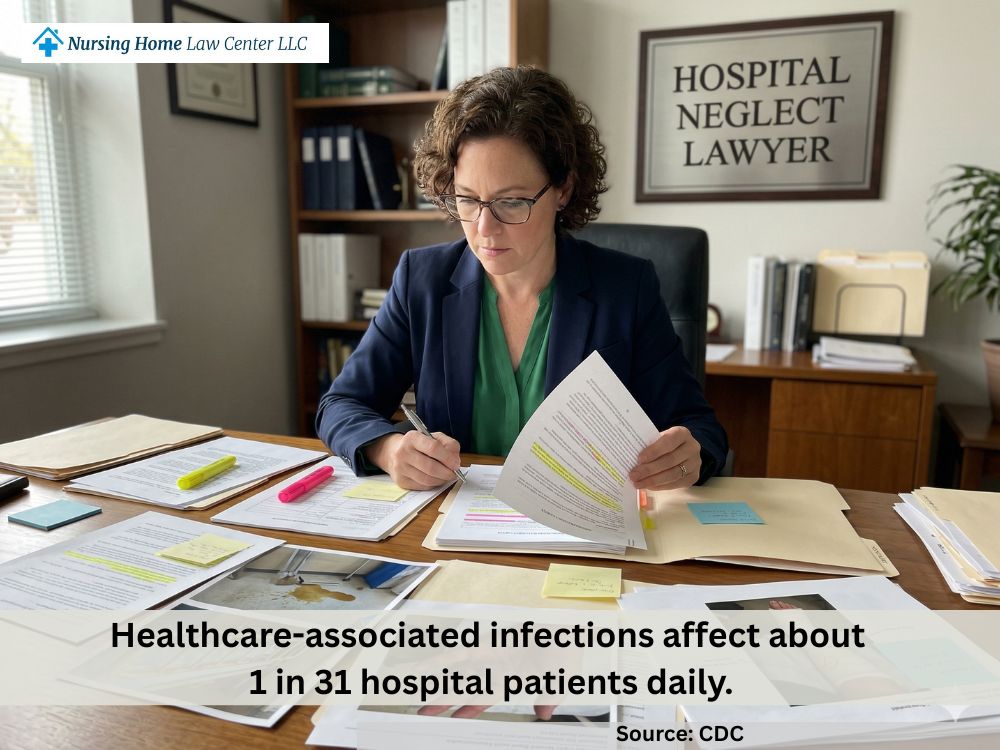
Medical malpractice attorneys specialize in fighting for justice for patients who suffer hospital negligence. If you have a loved one staying in a hospital and you notice that they have unexplained injuries or their condition is worsening, it could indicate that they are being neglected. Contact a hospital negligence law firm if you notice these signs.
Procuring evidence of a medical error or mismanagement can often be challenging. Perhaps you are suspicious of negligence occurring with your loved one in the hospital.
Medical malpractice lawyers have specialized knowledge and can navigate the complexities of hospital negligence cases, investigating the facility and gathering evidence to determine if your family member has been neglected or wrongly treated.
Hospital negligence lawyers have experience working with victims and their family members, which means they understand the importance of empathy. These patients and families often face physical and emotional challenges in hospital facilities; a lawyer can approach the case with clarity and focus to investigate concerns about staff conduct or communication.
If you are a victim of neglect and have suffered legal damages, you may have the right to sue the hospital for negligence. The purpose of medical malpractice claims is to pursue compensation for losses like additional medical expenses, physical pain, emotional distress, and loss of quality of life.
The biggest challenge in winning a hospital malpractice claim is proving negligence. Below are the elements involved in winning a case by proving hospital negligence.
Hospitals have a legal duty to provide patients with a reasonable standard of care. This medical care includes practices like consistent monitoring, quality treatment plans, and preventing further harm. To win your hospital negligence claim, you must establish that the hospital owed you this standard of care.
The next step is proving a breach in the standard of care by demonstrating specific actions or inactions that violated expected care levels.
This act could include inadequate patient monitoring, failure to follow treatment plans, or other neglectful practices. You must provide evidence showing how the hospital’s failure to meet its obligations resulted in your injury or worsened condition.
Medical malpractice lawsuits also require a link between the breach of care and the harm suffered by the victim. For example, if the patient was not being monitored consistently, did that cause them to develop bed sores in addition to the original condition?
If there is no direct causal relationship between the breach of duty and the harm suffered by the victim, the medical malpractice claim will likely fail.
For your hospital negligence case to succeed, the last thing you must prove is that legal damages resulted from the harm. The victim or their family members must have suffered due to the hospital’s neglect.
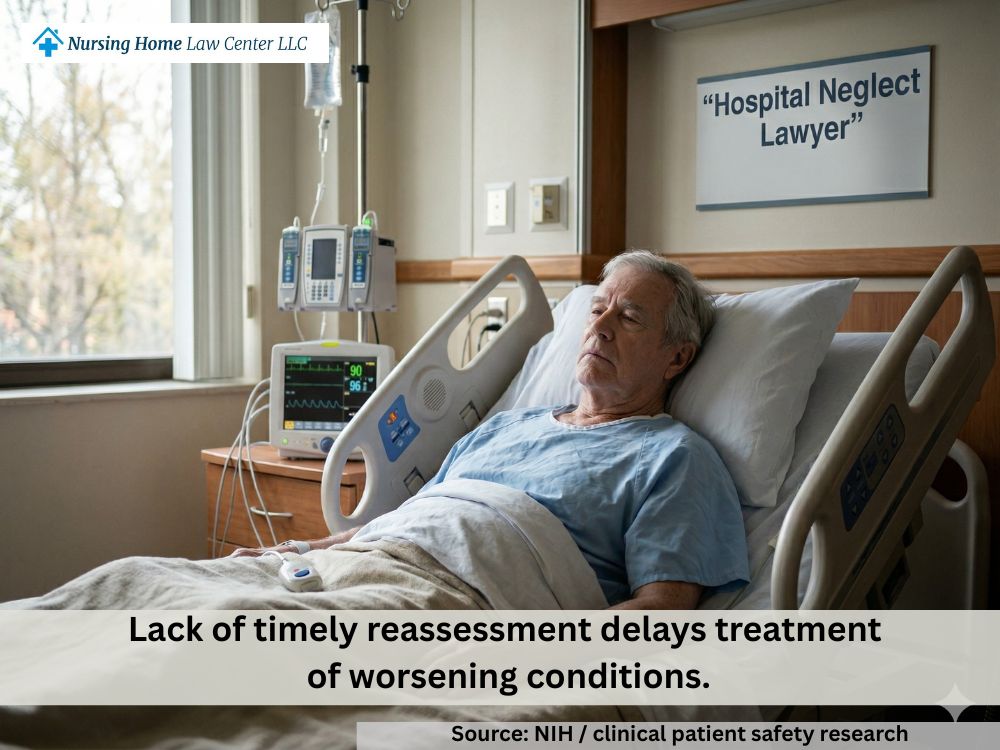
Potential losses that could occur due to a hospital’s liability include medical expenses, physical pain, emotional distress, PTSD, therapy bills, and loss of quality of life.
If the victim dies due to negligence, surviving family members can pursue compensation for additional damages, such as funeral costs, burial expenses, loss of financial support, and loss of companionship. All damages must be proven to be included in a settlement package during a medical malpractice case.
Medical malpractice lawsuits involving hospitals often fail because victims are unsure how to build strong cases. This is why hiring a hospital negligence lawyer is essential before you file your claim.
Though you can sue a hospital yourself, you will be going against the resources of a large entity. Here are a few ways medical malpractice law firms can help you navigate your claim.
The investigation is the most essential aspect of your claim. Your medical malpractice lawyer knows the evidence needed to support your case and increase your chances of winning.
This stage of the claims process will involve collecting medical records, consulting medical experts, researching medical procedures, speaking to witnesses, finding camera footage, and viewing incident reports. Having a lawyer by your side to navigate these steps will be crucial in building a solid case.
Your objective is to prove that the hospital was negligent in your care and is liable for legal damages suffered. An experienced medical malpractice attorney will know how to prove that the hospital failed to meet the standard of care and caused your injuries or worsening condition. Without the expertise of your lawyer, proving medical negligence will be a monumental task.
When you sue a hospital, you can recover compensation for certain legal damages associated with the harm you suffered. This claim can include lost wages from missing work, increased medical bills from ongoing care, emotional distress, pain and suffering, loss of quality of life, and even punitive damages if your case involves gross negligence.
The legal process for filing a claim is incredibly complex. Navigating a hospital malpractice case on your own will be nearly impossible, especially with the resources the hospital may have access to. To level the playing field, you need your legal team. Your attorney will protect your rights throughout the process and help you avoid missteps that could undermine your claim.
Whether you are just filing a complaint or proceeding to court for a wrongful death lawsuit, medical malpractice attorneys will successfully guide you through the process.
Proving medical malpractice can be challenging, and you need the right law firm on your side to establish hospital liability. When you suffer serious injuries, a worsening condition, or an illness because of neglect from medical experts, you have the right to file a lawsuit against the staff or facility responsible.
Nursing Home Law Center has the experience to prove hospital negligence and win total compensation for your legal damages. If you are unsure about your case, you can get a free consultation with a legal professional. Call us today at 800-926-7565 or complete the contact form for your free case evaluation.
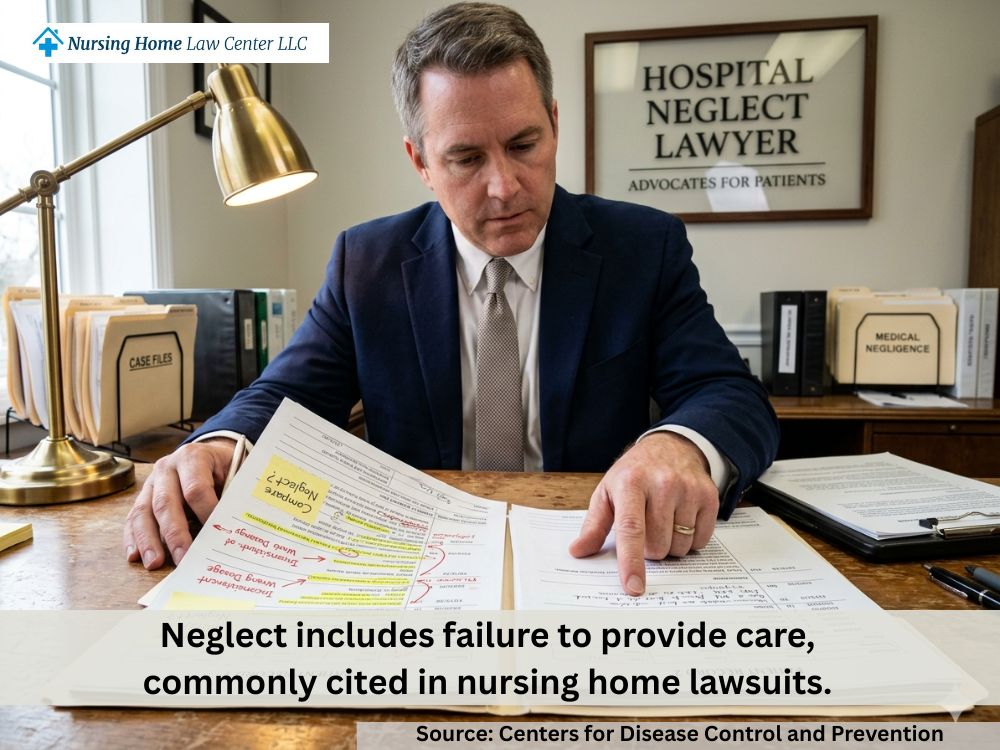
If you suspect malpractice, the first priority should be your health, so don’t stop necessary treatment abruptly. Get appropriate care, and if you are uneasy about the doctor, seek a second opinion or transfer your care if that can be done safely. Then, consider consulting our hospital neglect attorneys to explore your legal options.
A hospital neglect attorney from our team will be looking at a variety of evidence to build a strong claim.
The chart usually shows what the staff saw, what they recorded, what they were told to do, and where the response broke down. That often means reviewing nurse notes, MARs, and vital-sign trends to see whether the patient was declining in plain view while no one acted fast enough. If the case involves a fall, we look at fall-risk assessments, precaution orders, and response records. If it involves a pressure injury, we examine pressure injury prevention records, turning documentation, skin assessments, and wound care records.
We also look at the hospital’s response systems. In infection and sepsis cases, infection-control records, lab trends, and escalation notes can matter. In emergency deterioration cases, rapid response records, code records, and timing entries may show whether help came too late.
We review incident reports, staffing records, and internal documentation to see whether the problem was isolated or part of a broader failure in supervision, communication, or coverage. In surgical cases, we look at consult orders, operative notes, and post-operative records to track what happened during and after the procedure. In discharge-related cases, discharge planning records can show whether the hospital sent the patient out without adequate preparation, follow-up, or safety measures.
Hospitals are often legally responsible for the negligence of their employees, which commonly includes nurses and other staff who owe the patient a duty of care. Doctor liability is less automatic because some physicians are independent contractors, but hospitals may still be liable in some states under agency or apparent-agency theories.
A nursing home may be liable if the doctor was its employee, agent, or was presented in a way that supports an agency theory, but this varies by state and by the relationship between the doctor and the facility.
Our lawyers work on contingency, which means there is no attorney’s fee upfront, and we are only paid from any recovery, based on an agreement we sign with clients.